Most fixer sellers blow it one of two ways. They over-renovate for a buyer who wanted a deal. Or they underprice because they’re embarrassed by the kitchen. Both are guesses. Stop guessing.
If you own a tired house in Snellville, Loganville, Grayson, Monroe, Covington, Lawrenceville, Winder, or anywhere on the Atlanta-to-Athens corridor, the question is not “should I make it pretty?” The question is which buyer you are actually selling to — and whether a dollar of work comes back as a dollar of price. It usually does not.
The Quick Answer
Retail as-is — price the house that exists and sell it to an owner who wants a discount, or to an investor who will do the work.
Light make-ready — clean, paint, safety, curb. You are not rebuilding a life. You are making the house showable so more buyers will walk in.
Full remodel — only when renovated comps on your street clearly beat the cost, the time, and the pain of living through it. If that gap is thin, do not remodel.
Path 1
Retail as-is
For sellers who need out, hate dust, or already know the bones need more than lipstick. Honest photos. Honest price. Wider net: owner-occupants who can swing a project, plus investors.
Path 2
Light make-ready
For houses that function. Paint, declutter, yard, burned-out bulbs, a sticky door. You are buying showings, not a new kitchen. Best when the discount for “ugly but fine” is bigger than a weekend of work.
Path 3
Full remodel
For sellers who can fund it, wait, and still come out ahead after holding costs. If you are doing it so you “feel better” at the open house, that is ego. Ego is expensive.
What “Fixer” Means Here
Not every dated house is a fixer. Buyers use the word for two very different things. Mix them up and you will price the wrong house.
Cosmetic
- 1990s oak, carpet, brass, a bath that works but looks tired.
- The house functions. A buyer can get a normal loan and live in it Friday.
- The discount is about taste and inconvenience. That discount is real. It is also smaller than sellers fear when the photos are honest.
Systems
- Roof, HVAC, foundation, electrical, active leaks, or a septic question.
- This changes the buyer pool. Some loans will not clear until the house is safe to live in.
- Out in rural Walton, Barrow, and Oconee, septic and well issues are not “character.” They are a different sale.
Ugly kitchen: price it. Roof that leaks, HVAC that’s dead, foundation that’s moving, septic you can’t explain: say it out loud, then decide if you fix it or sell to someone who will. Hiding it is not a strategy. It is how contracts die in inspection.
East Metro Reality. No Fake Numbers.
I am not going to invent a median price, a days-on-market figure, or a “percent of fixer sales” for this post. If I cannot verify it, it does not go in the article. Your street is not a national average anyway.
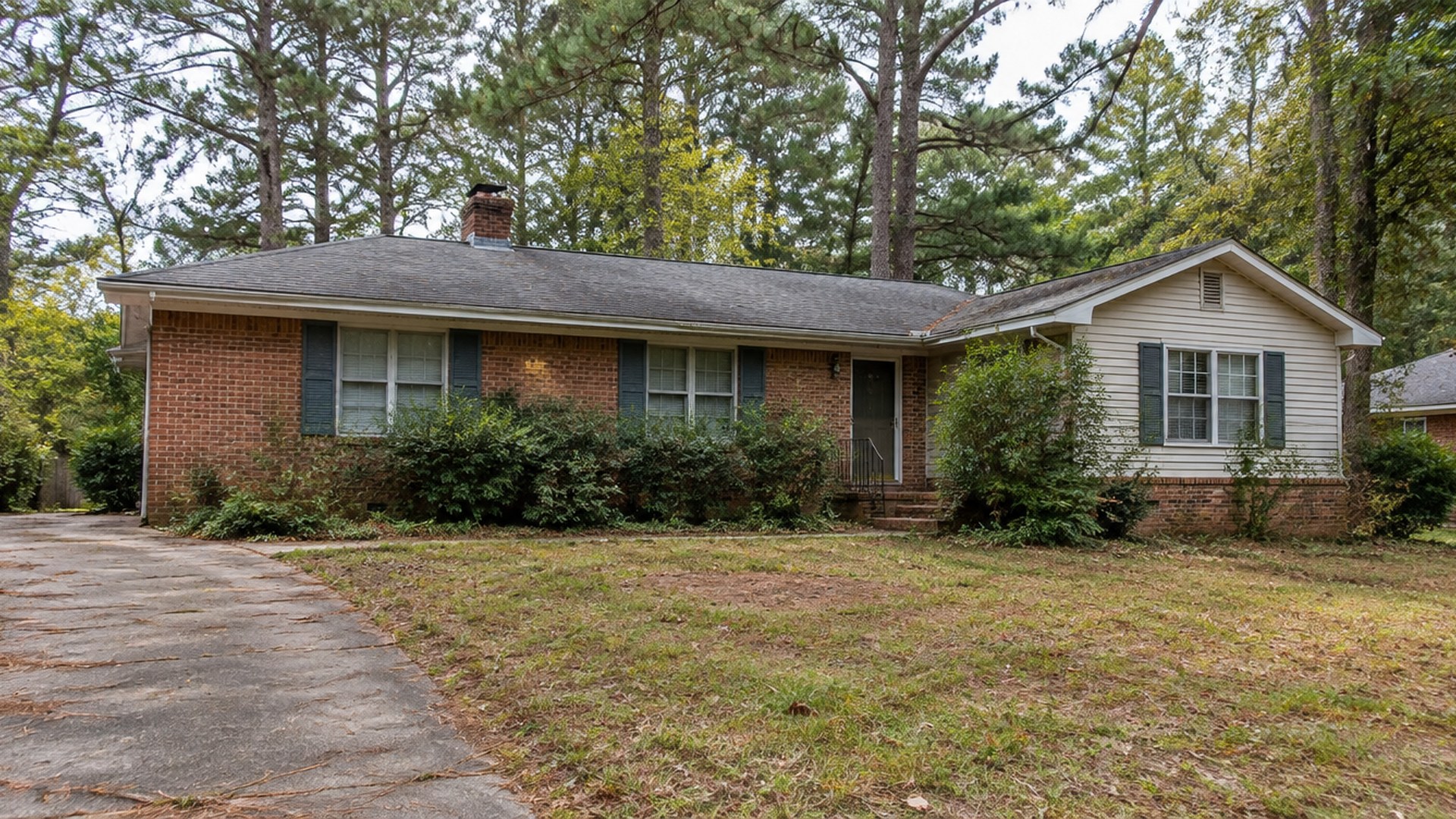
Here is the pattern we actually see, labeled as a pattern, not a statistic. A lot of the older stock along this corridor is brick ranches and split-levels, plus brick-and-siding two-stories. You feel it in Loganville, Snellville, Monroe, Covington, and parts of Grayson. Newer subdivisions sit next door. Buyers tour both on the same Saturday.
That is the trap. Your buyer is not comparing you to the house you bought in 2009. They are comparing you to a house that already has the kitchen. If you are priced like the updated one, you lose. If you price the house you have, you get the people who want the discount on purpose.
Investors work this corridor. They are not a myth and they are not a rescue. They underwrite repairs, risk, and their own profit. An off-market postcard is a bid, not a comp. People relocating in are usually shopping finished houses. Do not remodel your life around a buyer who was never going to take a project.
At a Glance
Comps in the same condition. Not the renovated neighbor. Not what you “have in it.”
Cost-to-cure is not the same as price lift. Risk, taste, and time eat the rest.
Cosmetic buyers and loan-dependent buyers are not the same crowd as cash and investors.
You can refuse repairs. You still disclose known hidden defects. Ask your agent. This is not legal advice.
The Math Sellers Actually Need
Run two prices before you call a contractor.
- As-is value. What a real buyer will pay for this house, in this condition, on this street.
- Done value. What renovated comps actually closed for. Same area. Same size. Not a fantasy two towns over.
The gap between those two numbers is the most the work can be worth. Then stack the real cost on the other side: labor, materials, permits if you need them, and holding costs while you do it — mortgage, taxes, insurance, utilities. Add the weeks you cannot list. Add the chance the project runs long or the finish you picked is the one the next buyer hates.
If the gap does not clearly beat that stack, do not remodel. Price the house you have.
Living through a reno is a decision, not a personality test. Some sellers can paint a ranch and stay. Some should sell as-is, hand the keys to someone who wants the project, and go. Moving out “just for 30 days” is how 30 days becomes a season you are paying for twice.
A pretty kitchen does not create a buyer the street cannot support. It creates a higher ask you still have to defend. Spend where the buyer pool gets bigger. Do not spend where you are decorating your own guilt.
The Buyers You Will Actually Meet
The deal hunter
Owner-occupant. Will live with ugly if the payment works and the bones feel honest. Wants a discount they can see. Overprice them and they scroll to the next ranch.
The investor
Math, not feelings. They are pricing repairs, holding time, and resale or rent. Useful when you want speed and certainty. Dangerous if you let their first number be the only number you hear.
The retail buyer
Will write only if financing will clear. Dated and clean is fine. Unsafe, leaking, or “we’ll fix it after closing” on a system the appraiser can see is often a no.
FHA and VA buyers are not scared of oak cabinets. They are tied to condition rules. HUD’s FHA repair standard is the “three S’s”: safety, soundness, and security of the property. Cosmetic items get reflected in value. They are not automatically a repair condition. A house that is not safe or not structurally sound can get rejected or stalled. VA’s minimum property requirements aim at safe, structurally sound, and sanitary. The roof has to keep water out. Air conditioning is not required, but if it is installed, VA’s handbook says it has to work.
That is the pattern. It is not a promise your file will go one way or the other. Lenders and appraisers make those calls. Some buyers use a rehab loan. Most will not wait around while you hope they do. Pick the pool that can close the house you are actually selling.
As-Is Still Means You Disclose
This is a seller’s field guide, not a law opinion. Georgia is a caveat-emptor state. There is not one statute that forces every seller onto a single state form. Your listing agent — and a Georgia real estate attorney if you want a legal read — should put the current paperwork in front of you.
What the industry form actually says is blunt. The Georgia Association of REALTORS® Seller’s Property Disclosure Statement (F301) is the long form most owner-occupant sales use. The 2026 printing says the seller is obligated to disclose hidden defects the seller knows about even when the property is being sold “as-is.” As-is means you are not promising to fix it. It does not mean you get to stay quiet about a problem you already know is there.
If you never lived in the house — an estate, an investor resale, a relocation seller who was not the occupant — agents often use F302, Seller’s Disclosure of Latent Defects and Fixtures Checklist, instead of the long F301. That form’s own language says Georgia law requires disclosure of known latent defects a buyer would not find on a reasonably careful inspection. Your agent confirms which exhibit fits your sale. Do not grab an old PDF off the internet.
One federal piece sits on top of Georgia practice. If the home was built before 1978, federal lead-paint disclosure is its own requirement. A lot of ranches on this corridor are that old. Ask. Do not guess.
Practical move: tell your agent what you know, in writing, before the first showing. Roof age if you know it. The leak. The HVAC that was “fine last winter.” The septic pump. Buyers can handle the truth. They cannot handle a surprise on day 12 of a contract.
How We Position It
Davis Team does not sell the house you wish you had renovated. We price the house that is standing there.
- Show the work honestly. Photos that hide the kitchen insult the buyer and waste the first weekend.
- Name the buyer pool. Retail as-is, light make-ready, or a true remodel. One strategy. Not three at once.
- Put the discount where the defect is. Do not slash the whole house because you hate the backsplash. Do not pretend a bad roof is a backsplash.
- Let the market talk early. If showings are quiet, the price or the plan is wrong. Waiting does not make a fixer newer.
Want the number for the house you have, not the house in your head? Start with a value check, then we will walk the three paths with comps in your condition. Lawrenceville, Winder, the Hwy 78 towns, the I-20 towns. Same rule everywhere: price what exists.
FAQ
Will I get more if I renovate the kitchen?
Sometimes. Not automatically. You get more only if renovated comps support a price that beats the remodel, the holding cost, and the time you are off the market. A new kitchen in a neighborhood that will not pay for it is a gift to the buyer. Run as-is value against done value before you demo anything.
Can I sell as-is in Georgia?
Yes. Sellers here sell as-is all the time, to owner-occupants and to investors. As-is is a repair stance. It is not a free pass on condition, financing, or disclosure. Price it so the buyer who can actually close still wants it.
Do I have to disclose?
You still have to deal with known hidden defects. The GAR F301 form says that duty applies even in an as-is sale. F302 is the shorter latent-defect form often used when the seller did not occupy the home. This post is not legal advice. Use the current form your agent gives you, and call an attorney if you need a legal opinion.
Will FHA buyers walk?
They walk when the house fails the “safe, sound, secure” test, not because your cabinets are oak. Dated finishes usually hit the price, not the loan. A leaking roof, a structural problem, or a system that does not function can knock FHA and VA buyers out. Cash and some conventional buyers play by different rules. Do not list for a buyer pool the house cannot pass.
Should I let an investor buy it before I list?
Only after you know your as-is number. An investor offer can be the right exit when you want speed and you understand their margin. It is the wrong exit when you never tested retail and you signed the first postcard. Get a real price opinion. Then choose.
What’s the House You Actually Have Worth?
Instant estimate, then a street-level look at as-is versus “if we touch it.” No fantasy kitchen math.
Price the fixer. Don’t guess it.
Davis Team · East Metro / Atlanta-to-Athens
Call or text 770-833-5965 ·
chris@eastgahomes.com

Chris Davis · Davis Team · Keller Williams
Straight talk for East Metro sellers from Snellville to Monroe to Covington. As-is or remodel, we price the house that exists. Call or text 770-833-5965.
Sources, not local MLS stats: Georgia Association of REALTORS® Seller’s Property Disclosure Statement (F301), 2026 printing — hidden-defect duty applies even when sold as-is. GAR F302, Seller’s Disclosure of Latent Defects and Fixtures Checklist, for many non-occupant sellers. Background on caveat emptor and the F301’s role: LegalClarity, June 5, 2026 (secondary; not legal advice). FHA condition: HUD “three S’s” repair standard, safety / soundness / security, and the rule that cosmetic repairs are not required (HUD HOC Reference Guide). VA: Lenders Handbook Chapter 12 minimum property requirements — safe, structurally sound, sanitary; roof must keep moisture out; installed air conditioning must be operational. Pre-1978 lead disclosure: 42 U.S.C. § 4852d. No East Metro median, DOM, inventory, or fixer-sale percentage is stated in this post.