Quick Answer
Should you buy a Walton County home with polybutylene plumbing?
Yes — with conditions. Polybutylene pipes (found in homes built 1978–1995) fail at a higher rate than modern materials, but they don’t automatically disqualify a purchase. The smart move is a professional home inspection, a licensed plumber’s assessment, and a repiping negotiation with the seller before you close. Repiping a typical Walton County home runs $4,000–$15,000 depending on size — a real number to factor into your offer.
If you’re shopping for a home in Monroe, Loganville, or anywhere else in Walton County and you find a house built before 1995, there’s a meaningful chance it still has polybutylene plumbing. I’ve seen it in hundreds of transactions over the past 19 years across this corridor, and the question I hear every time is the same: Is this a dealbreaker?
The short answer is no — but it requires due diligence, the right professionals, and a clear-eyed negotiation strategy. Here’s what every buyer in Walton County needs to know.
What Is Polybutylene Plumbing?
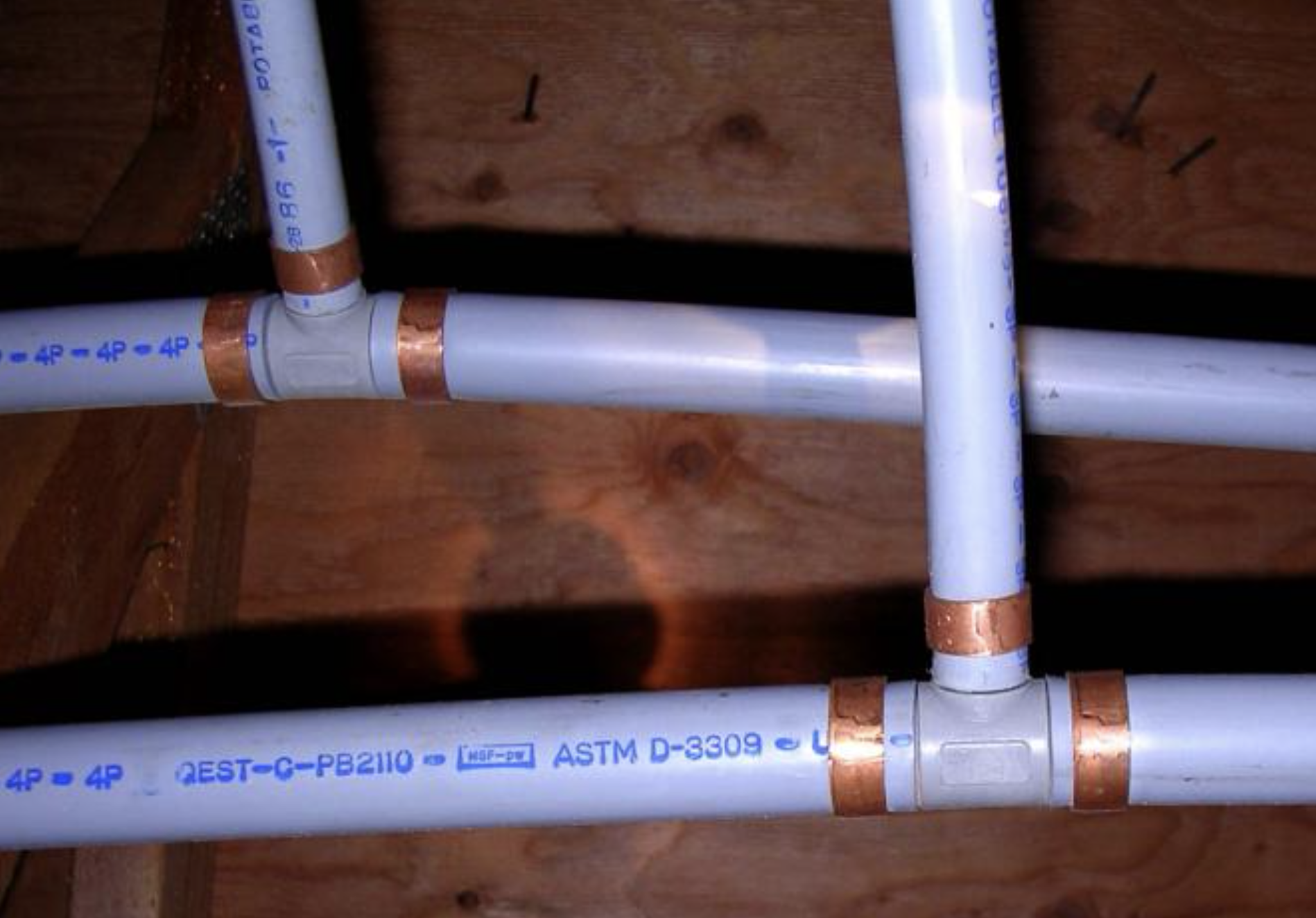
Polybutylene (PB) pipe was a gray, flexible plastic plumbing material used extensively in U.S. home construction from approximately 1978 to 1995. It was cheap, lightweight, and faster to install than copper — all attractive qualities for the Sunbelt homebuilding boom that transformed communities like Monroe, Loganville, and Social Circle during that period.
You can usually identify polybutylene by its gray color (occasionally blue or black for outdoor lines) and the stamp “PB2110” on the pipe surface. It’s most visible at water heater connections, under sinks, in crawl spaces, and where supply lines enter the home from the meter.
Plastic fittings — not just the pipe itself — were also part of most PB systems, and the fittings are often where failures begin. A 1995 class-action settlement (Cox v. Shell Oil) made funds available to some homeowners for repiping, but that settlement period has long since closed. Today, replacement falls entirely on the property owner — or, with smart negotiation, on the seller.
Will Polybutylene Pipes Fail in a Walton County Home?
There’s no guarantee they will — and no guarantee they won’t. What the research consistently shows is that PB pipes fail at a significantly higher rate than copper or modern PEX piping, primarily because of a chemical reaction with the chlorine present in municipal water supplies. Over years of exposure, the pipe walls become brittle, micro-cracks form, and the system becomes progressively more prone to leaks and ruptures.
Factors that accelerate deterioration include:
- Higher chlorine concentrations in municipal water (common in metro-adjacent Walton County service areas)
- Pipe age — most installed systems are now 30–45 years old
- Previous repairs using metal fittings that create incompatible stress points
- Pipes that have already been partially repaired, leaving older sections in service
Homes on private well water see somewhat less chemical degradation, but age-related brittleness still applies. The bottom line: if a home has original PB plumbing from the 1980s, a licensed plumber’s assessment isn’t optional — it’s essential.
What Are the Warning Signs of Polybutylene Pipe Failure?
During your showing or inspection walkthrough, watch for these indicators that PB pipes may already be causing problems — or are close to it:
Water Stains
Yellow or brown ceiling stains, bubbling drywall, or soft spots on subfloors — especially in bathrooms and kitchens.
Low Water Pressure
Unexplained drops in pressure throughout the house can indicate micro-leaks inside walls or in the crawl space.
Musty or Mold Odors
Slow leaks from brittle fittings create standing moisture behind walls — a primary driver of mold growth in older homes.
Prior Spot Repairs
Sections of copper or PEX already patched into the system are a red flag — it means the system has already leaked.
Steps to Take Before Buying a Home with Polybutylene Piping in Walton County
Polybutylene plumbing is not a reason to walk away from an otherwise good property — but it is a reason to add these three steps to your due diligence process.
Step 1 — Get a Full Home Inspection First
Before bringing in a plumber, a comprehensive home inspection establishes the overall condition of the property and identifies whether there are active signs of water damage connected to the plumbing. Your inspector will flag visible PB pipe and document any related damage — giving you a clear picture before you spend money on a specialist.
For buyers in the Atlanta-to-Athens corridor, Residential Inspector of America (RIA) is one of the most established inspection firms in the Southeast. With over 600,000 inspections completed since 1989 and inspectors equipped with drones and thermal imaging cameras, they cover the full Walton County market. Their same-day report guarantee keeps your transaction on timeline. Reach them at (770) 476-4963.
Recommended Inspector
Residential Inspector of America
Serving Walton County & Metro Atlanta · Drone & Thermal Imaging · Same-Day Reports
Step 2 — Hire a Licensed Plumber to Assess the System
Your home inspector can identify that polybutylene pipe is present — but a licensed plumber will evaluate the condition of the system, check fitting integrity, look for active micro-leaks in accessible areas, and give you a firm repiping estimate. That estimate becomes a negotiating tool. Get it in writing before you make any concession requests to the seller.
We work closely with two plumbing companies that understand the Walton County and Newton County markets well:
Licensed Plumber
Abba & Mar Plumbing
Family-owned, licensed & insured. Serves Covington, Walton County & Greater Metro Atlanta. Specializes in home repiping, leak detection, and water line replacement.
🕐 Mon–Fri 8AM–7PM · Sat 9AM–2PM
Visit Website →Septic & Plumbing
Sanders Septic LLC
Loganville-based, 24/7 licensed septic & plumbing services. A go-to for pre-purchase inspections throughout Walton County and 9 surrounding counties.
📍 8109 Greens Mill Way, Loganville, GA
Visit Website →Step 3 — Negotiate the Repiping Into the Deal
Once you have a written plumber’s estimate in hand, you have leverage. Common negotiation approaches include asking the seller to repipe before closing, provide a price reduction equal to the repiping cost, or offer a closing cost credit so you can handle the work yourself post-closing.
Repiping before you move in is almost always preferable. Once furniture is in place and walls are finished, the disruption of a repipe is significantly greater — and the cost can climb. If you can structure the deal so the work happens before you take possession, do it. As your agent, this is exactly the kind of negotiation we handle on your behalf.
How Much Does It Cost to Repipe a House in Georgia?
Repiping costs vary based on square footage, number of bathrooms, accessibility (slab vs. crawl space vs. basement), and whether you’re converting to copper or PEX. Here’s a general framework for Walton County homes:
| Home Size | Estimated Repipe Cost (PEX) | Notes |
|---|---|---|
| Under 1,500 sq ft | $4,000 – $6,500 | 2 bath, crawl space typically lower end |
| 1,500 – 2,500 sq ft | $6,500 – $10,000 | Most common Walton County range |
| 2,500 – 3,500 sq ft | $10,000 – $15,000 | Slab foundations cost more due to access |
| Over 3,500 sq ft | $15,000+ | Multi-story or slab; get itemized quote |
Cost estimates are general ranges for illustration. Get a written quote from a licensed Georgia plumber before using any figure in a negotiation. Contact Abba & Mar Plumbing at (678) 712-6359 for an estimate specific to your property.
Does Polybutylene Plumbing Affect a Home’s Appraised Value in Walton County?
This is a question buyers often overlook. In most cases, an appraiser will not adjust value solely for the presence of PB pipe — unless there is documented water damage related to it. However, there are downstream financing effects that matter:
- FHA and VA loans may require a plumber’s letter certifying the system is functional and not imminently failing before the loan can close. Check with your lender early.
- Home insurance can be a real friction point. Some insurers in Georgia are now asking about PB pipe presence on applications, and a few will either deny coverage or require repiping as a condition of issuing a policy.
- Future resale — a home you buy today with PB plumbing still in place becomes your disclosure obligation to the next buyer. Repiping it removes that liability entirely.
The bottom line: PB plumbing is a manageable issue, not a catastrophic one — but it needs to be on your radar from the moment you see the listing, not the day you’re supposed to close.
Walton County Real Estate
Thinking About Buying or Selling in Walton County?
Polybutylene plumbing is one piece of the puzzle. Get a free, data-driven home value estimate from the Davis Team — Walton County’s most experienced real estate professionals.
Get My Free Home Value →No obligation. No pressure. Just real data from real local experts.
Frequently Asked Questions: Polybutylene Plumbing in Walton County, GA
Additional Resources
- Abba & Mar Plumbing — Licensed residential plumbing & repiping in Covington, Walton & Metro Atlanta
- Sanders Septic LLC — 24/7 septic & plumbing inspections, Loganville & Walton County
- Residential Inspector of America — Full home inspections with drone & thermal imaging, metro Atlanta
- First-Time Homebuyer Guide for Georgia — Davis Team complete buyer’s resource
- Sanders Septic Vendor Spotlight — Full profile on this Loganville-based local company
- U.S. EPA — Moisture Control in Homes — Understanding water damage and prevention
- Walton County Government — Local permits and property records
- Georgia EPD — Environmental & building standards for Georgia homeowners

Chris Davis
REALTOR® · Davis Team at Keller Williams · GA License #327023
Chris Davis has spent 19+ years and 1,000+ transactions navigating the Walton County and Atlanta-to-Athens corridor real estate market — including extensive work in the foreclosure and REO market during the 2007–2015 cycle. He knows what’s inside the walls of these homes, not just what’s on the listing sheet. If you have questions about a specific property’s plumbing or want help structuring an offer around a known repair issue, reach out directly.